

IMAGE
Hand of Hope
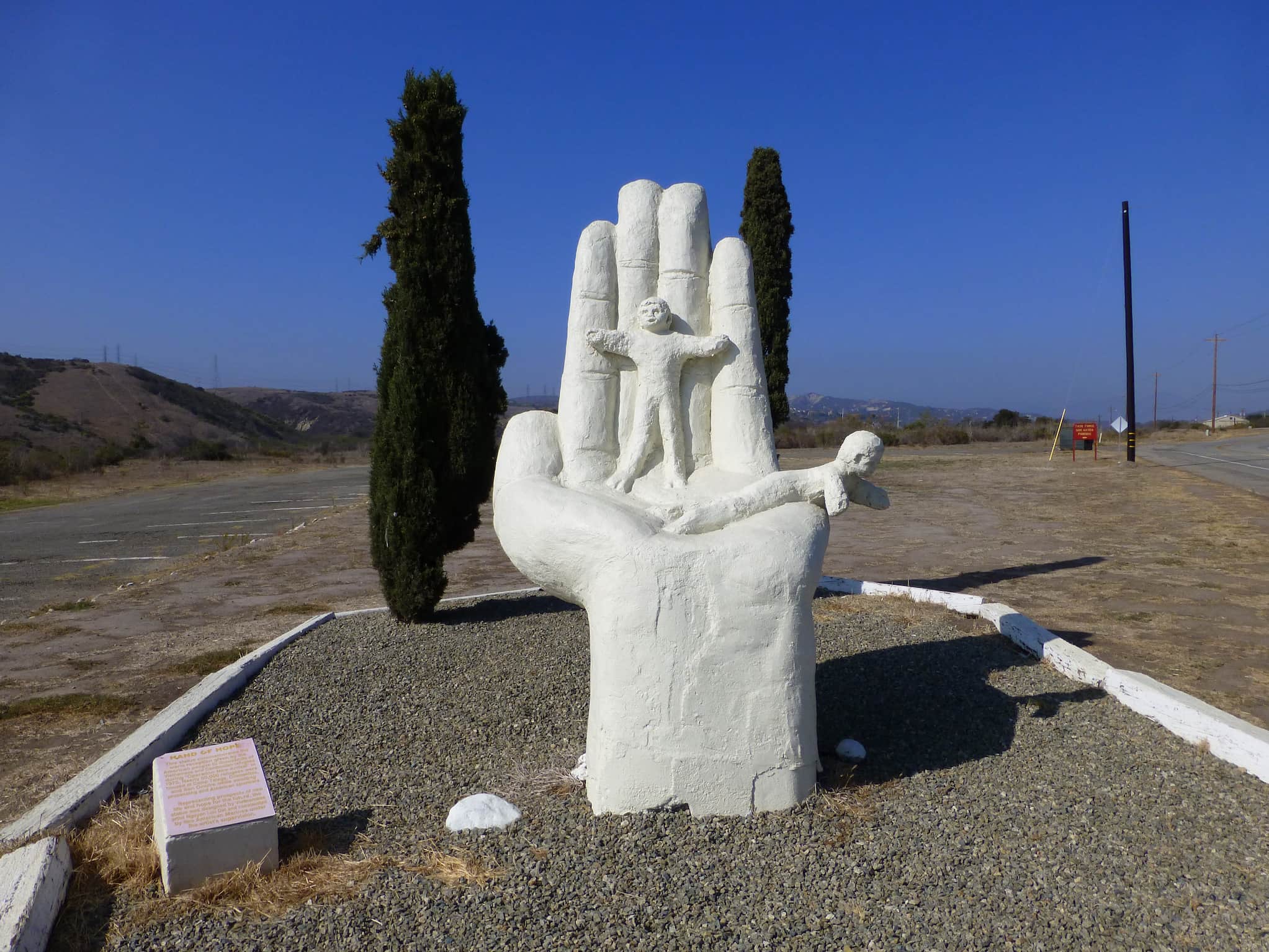
Object ID
19.05.07a
Citation (Chicago-style 18th Edition)
Smith, Adam
.
Hand of Hope
.
October 22, 2013
.
Camp Pendleton, California, United States
.
https://www.flickr.com/photos/army_arch/39835459353/
.
Multimedia details
Creator
Smith, Adam
Publisher
Flickr
Date
2013-10-22
Location
Camp Pendleton, California, United States
Type
Image
Format
Photograph
File Format
jpg
Subject
Sculptures; Vietnamese sculpture
Source
Flickr
Credit Line
Courtesy of Camp Pendleton Historical Society. Sculpture designed by Nguyen Luu Dat.
Licensor
Adam Smith
MUMI Number
19.05.IMG.040
Creator
Smith, Adam
Publisher
Flickr
Date
2013-10-22
Location
Camp Pendleton, California, United States
Type
Image
Format
Photograph
File Format
jpg
Subject
Sculptures; Vietnamese sculpture
Source
Flickr
Credit Line
Courtesy of Camp Pendleton Historical Society. Sculpture designed by Nguyen Luu Dat.
Licensor
Adam Smith
MUMI Number
19.05.IMG.040
In Copyright
This Item is protected by copyright and/or related rights. You are free to use this Item in any way that is permitted by the copyright and related rights legislation that applies to your use. For other uses you need to obtain permission from the rights-holder(s).
NOTICES
- Unless expressly stated otherwise, the organization that has made this Item available makes no warranties about the Item and cannot guarantee the accuracy of this Rights Statement. You are responsible for your own use.
- You may find additional information about the copyright status of the Item on the website of the organization that has made the Item available.
- You may need to obtain other permissions for your intended use. For example, other rights such as publicity, privacy or moral rights may limit how you may use the material.
URI for this statement: http://rightsstatements.org/vocab/InC/1.0/