

IMAGE
“How to Tell Your Friends from the Japs”
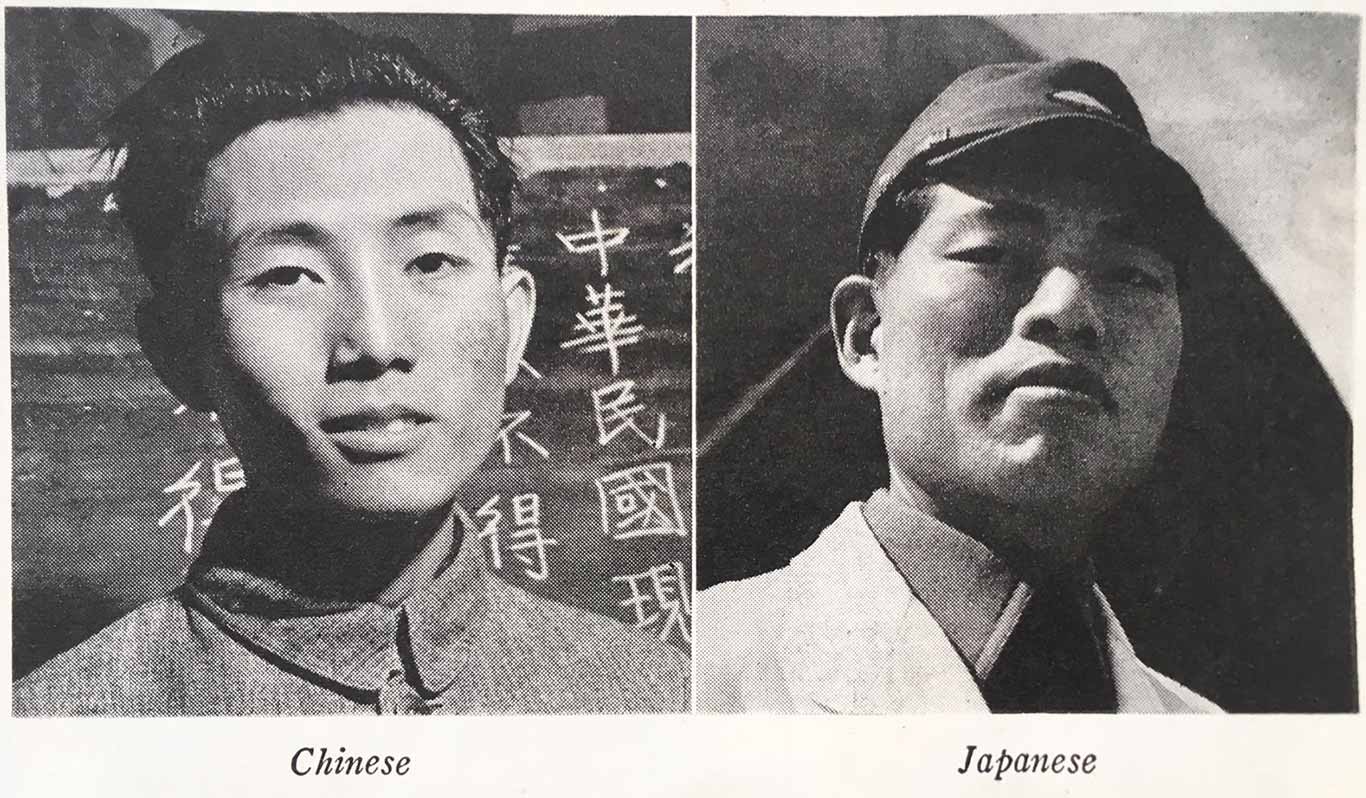
Description
For decades, Chinese immigrants were reviled in the United States. But China was a US ally during World War II. A December 22, 1941 Time magazine article, “How to Tell Your Friends From the Japs,” included these comparative images and the guidance that “the Chinese expression is likely to be more placid, kindly, open; the Japanese more positive, dogmatic, arrogant.” Articles like this illustrate how international politics impacted the treatment and perception of Asians in the United States.
Object ID
45.02.08b
Citation (Chicago-style 18th Edition)
TIME Magazine
.
“How to Tell Your Friends from the Japs”
.
December 22, 1941
.
Photograph
.
https://brewminate.com/the-malvina-hoffman-papers-and-the-races-of-mankind/
.
Multimedia details
Creator
TIME Magazine
Publisher
Brewminate
Date
1941-12-22
Language
eng
Type
Image
Format
Photograph
Subject
Race and racism; Discrimination; Stereotypes
Source
Brewminate Online Article
Credit Line
Courtesy of Getty, Santa Monica Public Library
Licensor
TIME Magazine
MUMI Number
45.02.IMG.037
Creator
TIME Magazine
Publisher
Brewminate
Date
1941-12-22
Language
eng
Type
Image
Format
Photograph
Subject
Race and racism; Discrimination; Stereotypes
Source
Brewminate Online Article
Credit Line
Courtesy of Getty, Santa Monica Public Library
Licensor
TIME Magazine
MUMI Number
45.02.IMG.037
Used in reliance on fair use
This in-copyright item is presented here in accordance with the authors’ fair use rights. Its use in other contexts may require permission from the copyright holder.